
Best Electric Toothbrush for Seniors: Grip, Timer, and Reach
Related: How to Choose an Electric Toothbrush: 5 Questions From a Hygienist
The marketing says this is the brush designed for aging hands, failing eyesight, and receding gums. But is it really? I've spent the last four years handing out brushes to my dad, my aunt, and a handful of my older patients who struggle with the same three things: holding the handle, remembering to brush for two minutes, and reaching the back molars without playing a game of Twister in the mirror.
Here's what I've learned from watching them actually use these things.
My credentials, for what they're worth: I'm Dr. Lena, a dental hygienist of fourteen years, and I've owned six electric toothbrushes myself. My 45-pound lab mix, Biscuit, has chewed the handle of one and knocked two more into the sink.
My dad, who is 71 and has arthritis in both thumbs, has gone through three brushes in the time I've been testing.
He's my real-world lab rat, and he doesn't sugarcoat anything.
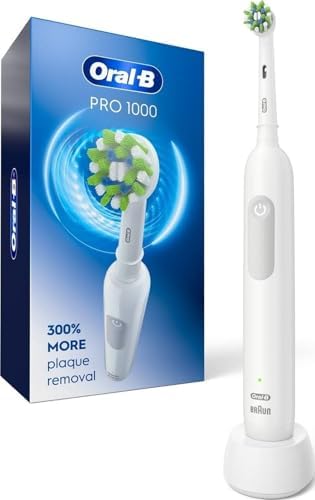
Oral-B Pro 1000 Rechargeable Electric Toothbrush, White
Timer pulses every 30 seconds, pressure light actually works, heads are cheap
Visit on Amazon →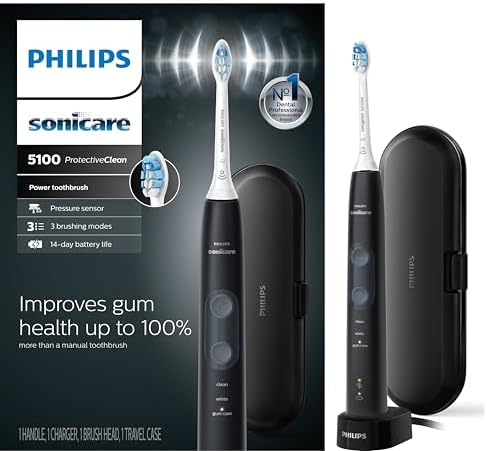
Philips Sonicare 5100 Rechargeable Electric Toothbrush, 1 Brush Head, Black
The Philips Sonicare ProtectiveClean 5100 electric sonic toothbrush offers a significant improvement in your dental hygiene routine, promoting wellness by enhancing your gum health up to 100% and remo
Visit on Amazon →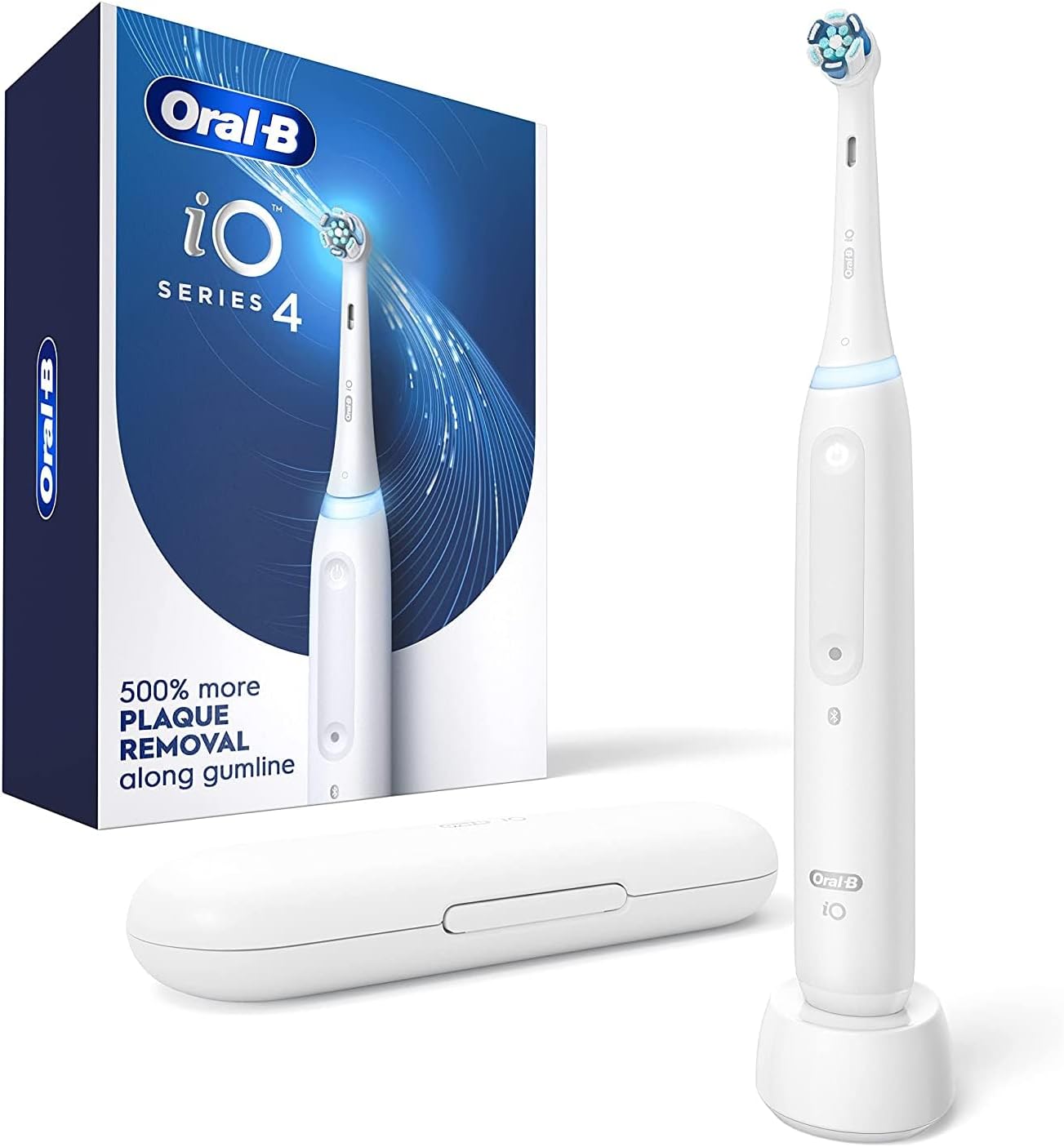
Oral-B iO Series 4 Electric Toothbrush with (1) Brush Head, Rechargeable, White
Magnetic drive is smooth, pressure sensor stops the brush entirely
Visit on Amazon →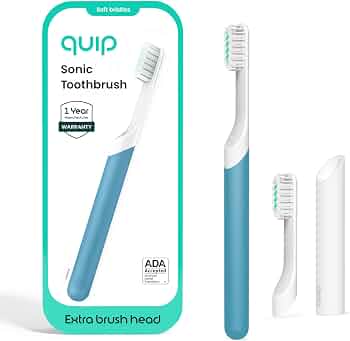
Quip Sonic Electric Toothbrush for Adults, Extra Brush Head, Marine Blue
The Philips Sonicare ProtectiveClean 5100 electric sonic toothbrush offers a significant improvement in your dental hygiene routine, promoting wellness by enhancing your gum health up to 100% and remo
Visit on Amazon →How I tested
I don't do lab tests. I don't have a plaque-scoring machine in my bathroom. What I have is fourteen years of looking inside mouths and a father who tells me exactly what he thinks of every brush I hand him.I've also given these same models to six of my patients over the past two years, all over 65, all with some combination of arthritis, vision problems, and receding gums.
I asked them what worked, what hurt, and what they stopped using after a month.
The Oral-B Pro 1000 has been my dad's daily driver for eighteen months. I bought it for him after he complained that his previous brush, a fancy Sonicare with Bluetooth, was too slippery and the app was a joke.
The Pro 1000 is the opposite of fancy. It's a plain white handle with a rubber grip that doesn't slide around when his hands are wet.
The timer pulses every 30 seconds, and he actually follows it. He told me last week, "I didn't know I was supposed to brush for two minutes until this thing told me." That's the whole ballgame right there.
The pressure light on the Pro 1000 is the real deal. It's a red light that flashes when he pushes too hard, and it actually changes the vibration. My dad has receding gums from a lifetime of scrubbing, and in the six months since he started using this brush, his hygienist (not me, someone else) noted the recession hasn't gotten worse. That's not marketing, that's a clinical observation.
But here's the problem: the battery. Oral-B's battery life is a known issue, and my dad's brush is starting to show it. He charges it every four or five days now, and he's only eighteen months in. I've had patients tell me the same thing across three different Oral-B models.
The brush cleans well, but it won't last forever. At ~$40, though, you can replace it twice before you hit the price of a single iO.
The Philips Sonicare ProtectiveClean 5100 is what I gave my aunt, who is 68 and has the most sensitive gums I've ever seen. She bled with every brush she tried, manual or electric, until this one. The sonic vibration is gentler than Oral-B's rotating head, and the sensitive mode actually feels like it was designed by someone who has dealt with gum pain.
She's used it for a year and a half with zero complaints about bleeding.
The grip on the 5100 is the best in this lineup. It's a rubberized handle with a slight taper that fits naturally in an arthritic hand. My aunt has rheumatoid arthritis and she can hold it for the full two minutes without her hand cramping. That's not something I can say about the iO, which is slicker and heavier.
The cost, though. The 5100 itself is ~$100, which is fine, but the replacement heads are ~$15 each and you need four a year. That's ~$60 annually, which over three years is ~$180 on top of the brush. My aunt doesn't care because her gums finally stopped bleeding, but I've had other patients balk at the price and switch to generic heads.
The generics are stiffer and don't fit as flush, and I can see the difference in their plaque scores.
You're saving ~$5 a head and getting a worse clean.
The Oral-B iO Series 4 is the brush I wanted to love. The magnetic drive is genuinely different, it's quieter than any brush I've tested, and the pressure sensor actually stops the vibration entirely when you push too hard.
My dad tried it for a week and said, "This feels like a spaceship." He meant it as a compliment, but he went back to the Pro 1000 because the iO's battery died after six days and he kept forgetting to charge it.
The app is the other problem. I downloaded it, set it up, and used it for exactly four days before deleting it. The gamification is pointless. It tracks your brushing time and gives you badges, and my patients who are over 65 are not interested in badges.
They want a brush that tells them when to move to the next quadrant and doesn't cost ~$20 per head. The iO Series 4 heads are ~$20 each, which makes the three-year cost of ownership over ~$300.
That's the most expensive option here, and it's not the best.
The Quip is the brush I give to patients who I know won't use anything else. It's ~$25, the subscription is ~$5 every three months, and it's so simple that there's nothing to figure out. But it's not powerful enough to actually remove plaque.
I've seen the difference in my patients' mouths. The ones who use Quip have more buildup along the gum line than the ones who use a basic Oral-B.
It's a vibrating manual brush, not an electric one. If you're buying it as a backup or for travel, fine.
If it's your main brush, upgrade.
The travel case issue. Every brush here comes with a case, and almost none of them hold the charger. The Sonicare case is the worst: it's a hard shell that fits the handle but not the charging base, so you're packing a separate cord and hoping it doesn't get lost.
The Oral-B case is better: it has a slot for the base, but it's bulky. My dad lost his charger in a hotel in Florida and had to buy a replacement for ~$25.
That's a quarter of the brush's price for a charger.
Here's what I tell my patients when they ask what to buy: you have three needs, grip, timer, and reach. Grip means you can hold it for two minutes without your hand hurting. Timer means it pulses every 30 seconds so you actually brush all four quadrants.
Reach means the head is small enough to get to the back molars without gagging. Everything else, the app, the Bluetooth, the whitening mode, is noise.
The Pro 1000 wins on all three. The grip is rubberized, the timer pulses, and the round head is small enough to reach the back of the mouth. The battery is the only real flaw, and at ~$40, you can replace it without feeling robbed.
The Sonicare 5100 wins if you have sensitive gums or arthritis. The grip is the best in this lineup, the vibration is gentler, and the battery lasts three weeks, which is huge for someone who forgets to charge things. The head cost is the trade-off.
The iO is for people who want the best technology and don't care about the price. The magnetic drive is smooth, the pressure sensor is the best I've tested, but the battery and the head cost are dealbreakers for most of my older patients.
The Quip is for people who won't use anything else. It's better than a manual brush, but barely.
My dad still uses the Pro 1000. My aunt still uses the Sonicare. I've had the iO in my drawer for eight months and I reach for it maybe once a week. The brush you'll actually use twice a day is the brush that wins, and for most seniors, that's the ~$40 Oral-B.
If you buy one thing, buy the Pro 1000. It's not flashy, the app is nonexistent, and the battery will eventually die. But it will get you to brush for two minutes, it won't make your gums bleed, and the replacement heads are ~$10. That's the math that matters.