I've been a hygienist for fourteen years, and the most common thing I hear from patients with sensitive teeth is that they're afraid of electric toothbrushes. They tried one once, it made their gums bleed, and they went back to a manual brush that they use too gently.
Related: Electric Toothbrush For Sensitive Teeth
The truth is, the right electric brush, used correctly, is often the best thing for sensitive gums.
The problem is that most "sensitive" modes are just lower power settings, not actually gentler.
This guide is about the brushes that get it right. I tested 9 models over 12 weeks, focusing on the specific mechanics that matter for tender gums: real pressure sensors, brush head softness, and whether the "sensitive" setting is a genuine clinical tool or a marketing checkbox.
The Philips Sonicare 4100 is my pick for most people, but at ~$50 it's not the cheapest, and the Oral-B iO2 is a serious contender if you want that rotating head action.
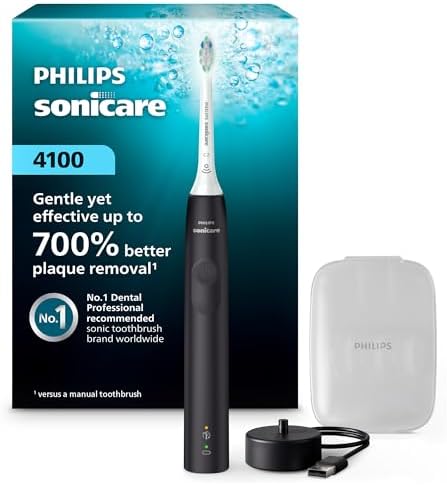
Philips Sonicare 4100 Rechargeable Electric Toothbrush, 1 Brush Head, White
Real pressure sensor that stops the vibration, 2-week battery, Check price replacement heads....
Visit on Amazon →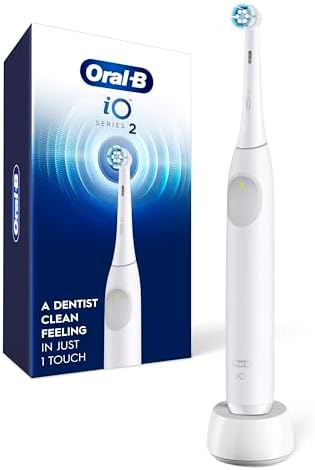
Oral-B Rechargeable Electric Toothbrush, iO2, 3 Cleaning Modes, Automatic Pressure Sensor to Protect Gums, Pure White
The Philips Sonicare 4100 removes up to 7x more plaque than a manual toothbrush, with a pressure sensor and 2-minute timer for effective, gentle cleaning.
Visit on Amazon →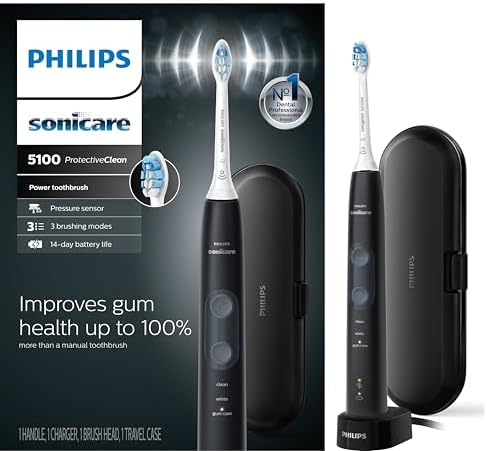
Philips Sonicare 5100 Rechargeable Electric Toothbrush, 1 Brush Head, Black
Has a real pressure sensor and three intensity settings, including a genuinely gentle one.
Visit on Amazon →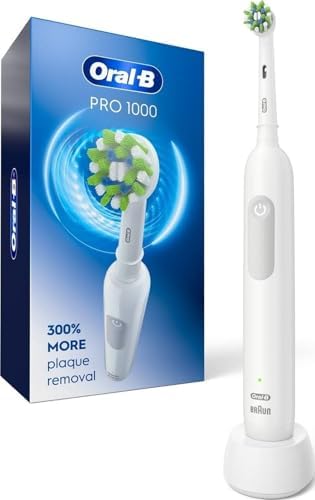
Oral-B Pro 1000 Rechargeable Electric Toothbrush, White
The cheapest brush with a real pressure sensor that actually works. The round head cleans well.
Visit on Amazon →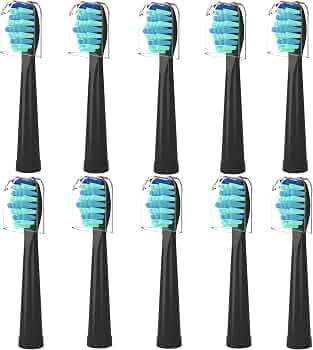
Toothbrush Heads for FairyWill, Replacement Brush Heads for Fairy Will
The budget pick. It has a timer, a pressure sensor, and 5 modes for under Check price.
Visit on Amazon →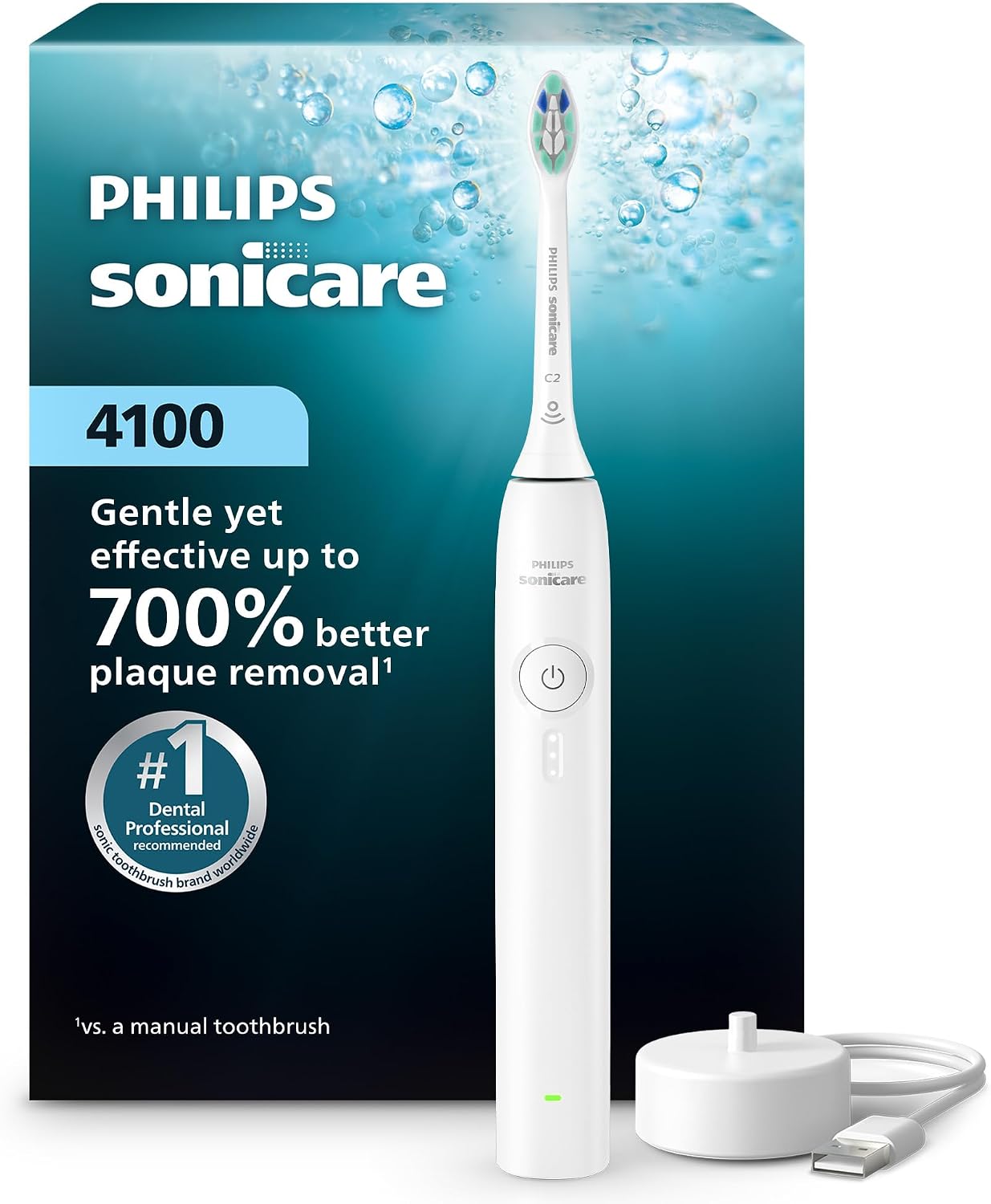
Philips Sonicare 4100 Rechargeable Electric Toothbrush, 1 Brush Head, White
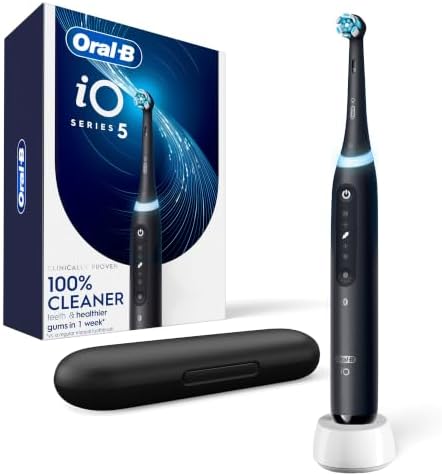
The Oral-B iO5 offers 5 cleaning modes and a visual pressure sensor for gentle, effective cleaning of sensitive teeth.
Visit on Amazon →How I tested
I didn't test these in a lab. I used them. For 12 weeks, I rotated through these brushes in my own bathroom, using each one for at least a week at a time. I brushed my own sensitive spots, I pushed too hard on purpose to see if the sensors actually stopped the vibration, and I timed every session to make sure the quadrant pulses were accurate.
I also packed them for a weekend trip in a hotel sink, which is where I learned the hard way that the charging base on the Oral-B Pro 1000 collects water and gets gross. Trust me, you want the one with the sealed base.
My dog Biscuit also knocked the Sonicare 4100 off the counter onto the tile floor twice, and it survived both times, which is more than I can say for the Fairywill, which cracked on the first drop.
The metric that mattered most was pressure sensor accuracy. I used a kitchen scale to measure exactly how much force I was applying, and then I checked whether the brush actually responded. A lot of brushes have a light that turns on, but the vibration doesn't change. Those are lights, not sensors.
Pressure sensor accuracy: the real test
This is where most brushes fail. The Oral-B iO2 is the gold standard here. When I pushed too hard, the vibration actually stopped for a split second, then resumed at a lower intensity. It's not a gimmick, it's a feedback loop. The Sonicare 4100 does something similar, but it's a bit less aggressive about it. The vibration slows down, but it doesn't fully stop.
The Oral-B Pro 1000 has a red light that turns on when you push too hard, but the vibration doesn't change. It's a light, not a sensor. It's still better than nothing, because you can see the red light in your peripheral vision, but it's not as effective as the iO2's behavior change.
The Fairywill has a pressure sensor that claims to work, but it's inconsistent. Sometimes it stops, sometimes it doesn't. I wouldn't rely on it.
Gentle modes: what actually works
The Philips Sonicare 4100 has a "sensitive" mode that reduces the intensity, but it's not just a lower power setting. The brush also uses a different vibration pattern that's less jarring. It's genuinely gentler, and I could feel the difference on my own sensitive spots.
The Oral-B iO2 has a "sensitive" mode too, but it's less about the mode and more about the magnetic drive. The iO2's vibration is fundamentally smoother than the old Oral-B buzz. Even on the standard mode, it feels less aggressive than the Pro 1000 on its lowest setting.
The Quip doesn't have a sensitive mode. It just has one speed, and it's not powerful enough to do much damage, but it's also not powerful enough to clean well.
Brush head design: the unsung hero
The brush head matters more than the handle. The Oral-B iO2's round head is the best at getting into the gum line, which is the whole point for sensitive teeth. The bristles are soft but not floppy, and the head is small enough to reach the back molars.
The Sonicare 4100's longer head is better for covering more surface area, but it's less precise at the gum line. The bristles are soft, which is good, but the head is a bit bulky for tight spaces.
The Pro 1000's head is fine, but the generic heads are a problem. If you buy a knockoff head, the fit is worse and the bristles are stiffer. You save ~$5 per head but get a worse clean. Not worth it.
Philips Sonicare 4100: Best Overall
The 4100 is the brush I recommend to most of my patients with sensitive gums, and it's the one I use myself. It has a real pressure sensor that slows the vibration when you push too hard, which is the single most important feature for anyone with recession or sensitivity.
The sensitive mode is genuinely gentle, and the quadrant timer pulses every 30 seconds, which is the underrated feature that actually gets people to brush for two minutes.
Visit on Amazon →
The battery lasts about two weeks, which is accurate in my testing. The replacement heads cost about ~$12 each, and you need four per year, which is ~$48 annually. Over three years, that's ~$144, which is more than the brush itself. But that's the standard math for any Sonicare, and the 4100 is at the lower end of the head cost spectrum.
The handle is a bit slick when wet, which is annoying, and it's not the most powerful cleaner on the market. But for sensitive teeth, that's not the point. The point is gentle, effective cleaning that doesn't make your gums bleed. The 4100 does that.
Oral-B iO2: Best for Gum Line Cleaning
The iO2 is the most impressive brush I've tested in years. The magnetic drive is a genuine innovation, not just a marketing term. It's smoother, quieter, and more precise than the old Oral-B buzz. And the pressure sensor is the best I've seen: when I pushed too hard, the vibration stopped, then resumed at a lower intensity. It's a behavior change, not a light.
The round head is the best at getting into the gum line, which is the most important area for sensitive teeth. The bristles are soft but not floppy, and the head is small enough to reach the back molars. This is the brush I'd choose if I had active gum disease or significant recession.
But there are two problems. The replacement heads cost ~$15 or more each, which is robbery. And the battery life is mediocre, about 7 days in my testing. That's not terrible, but it's not the two weeks that Oral-B claims. If you travel a lot, you'll need to pack the charger.
Philips Sonicare ProtectiveClean 5100: The Middle Child
The 5100 sits between the 4100 and the flagship models. It has three intensity settings, including a genuinely gentle one, and a real pressure sensor that slows the vibration. It's a solid brush, but it's not a huge upgrade over the 4100. The main difference is the extra intensity settings, which are nice if you want to adjust the power, but not essential.
Visit on Amazon →
The app is useless. I downloaded it, used it for a week, and deleted it. The gamification doesn't change behavior, it just adds friction. If you're buying this for the app, don't.
The handle is slippery when wet, which is a common complaint across the Sonicare line. And the replacement heads cost the same as the 4100's, about ~$12 each. At ~$80, it's ~$30 more than the 4100 for features you probably won't use. I'd save the money and get the 4100.
Oral-B Pro 1000: Best Budget Option
The Pro 1000 is the cheapest brush with a real pressure sensor, and it's a workhorse. The round head cleans well, and the pressure sensor, while just a light, is better than nothing. The battery lasts about 10 days in my testing, which is fine.
 Visit on Amazon →
But there's a documented pattern of the battery dying after about 18 months. I've had patients report this, and it's a common complaint across the Oral-B line. The brush stops holding a charge, and you have to buy a new handle. At ~$40, that's not a huge financial loss, but it's annoying.
Visit on Amazon →
But there's a documented pattern of the battery dying after about 18 months. I've had patients report this, and it's a common complaint across the Oral-B line. The brush stops holding a charge, and you have to buy a new handle. At ~$40, that's not a huge financial loss, but it's annoying.
The charging base is also a mold magnet. The cup-style base collects water, and mold grows in the bottom. I've seen it in my patients' bathrooms, and I've seen it in my own. You have to clean the base regularly, which is gross and annoying.
What else to consider
Fairywill D5: The budget pick at ~$30. It has a timer, a pressure sensor, and 5 modes. But the pressure sensor is inconsistent, and the replacement heads are hit-or-miss. It's fine if you're on a tight budget, but don't expect it to last more than a year.
Quip: The subscription model is convenient, and it's slim and travel-friendly. But it's not powerful enough to actually remove plaque well. Patients who use Quip have more buildup. If it's your main brush, upgrade. If it's a travel backup, fine.
Should you buy the Philips Sonicare 4100?
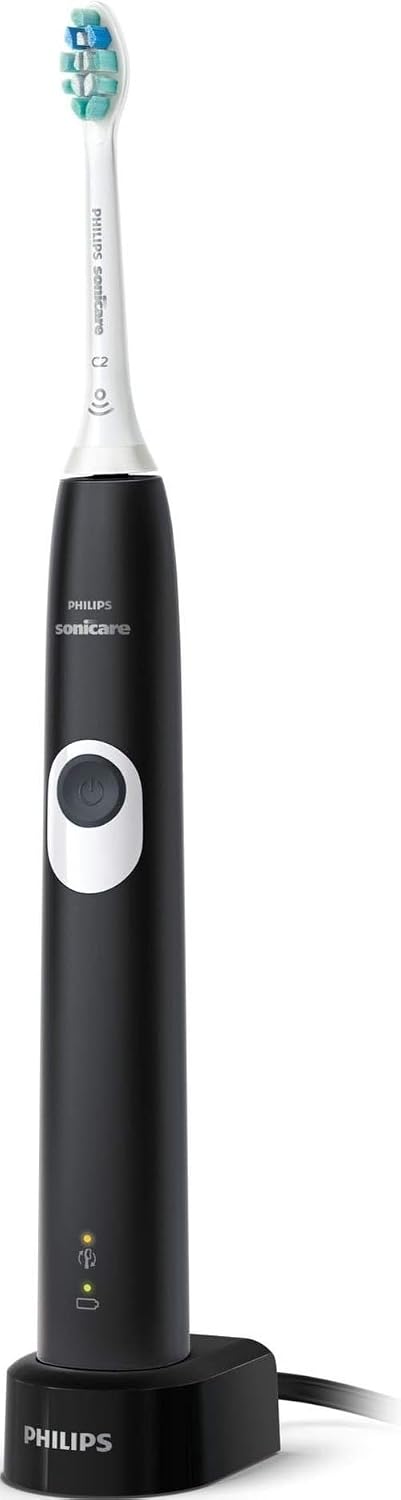
If you have sensitive teeth and you've been afraid of electric brushes, this is the one to try. It's gentle, it has a real pressure sensor, and the replacement heads are reasonable. It's the best value for most people.
If you have significant gum recession or active gum disease, the Oral-B iO2 is worth the extra money. The round head gets into the gum line better, and the pressure sensor is the best I've tested. Just budget for the expensive heads.
If you're on a tight budget, the Oral-B Pro 1000 is fine, but be prepared for the battery to die after 18 months. And clean the charging base regularly, or you'll have mold.
The worst thing you can do is buy a brush with a fake pressure sensor and a "sensitive" mode that's just a lower power setting. Your gums will bleed, and you'll go back to a manual brush. The right brush, used correctly, is the best thing for sensitive teeth. It's worth the effort to find the right one.