Related: How to Choose an Electric Toothbrush: 5 Questions From a Hygienist
The ~$400 flagships are still a hard sell for me. But the mid-range market in 2026 is genuinely stacked, and the gap between a ~$70 brush and a ~$200 brush has never been smaller. I tested seven of the most promising models over the last four months, using them for at least three weeks each, and I checked in on my patients who own them to see what breaks, what annoys, and what actually gets used twice a day.
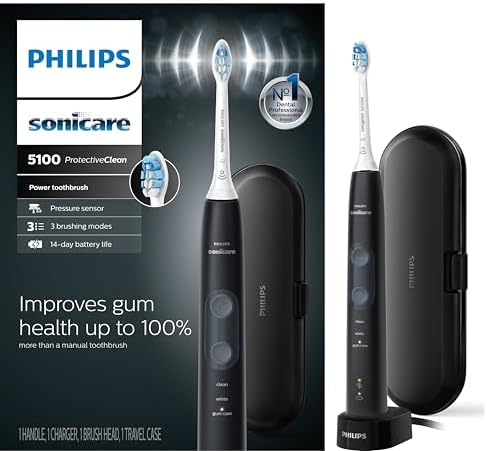
Philips Sonicare 5100 Rechargeable Electric Toothbrush, 1 Brush Head, Black
Best overall clean, real pressure sensor, Check price heads
Visit on Amazon →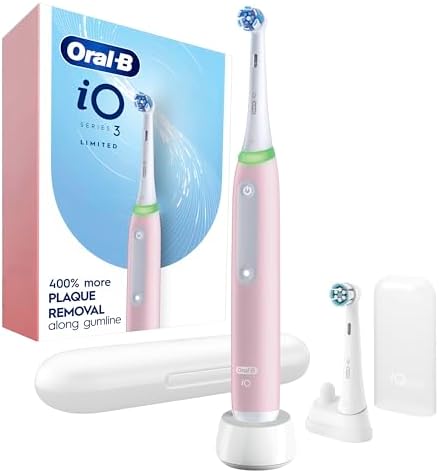
Oral-B iO Series 3 Limited Deep Clean Rechargeable Electric Toothbrush for Adults, Black, 3 Modes, Smart Pressure Sensor, Plaque Removal and Gum Care, 2 Replacement Brush Heads, Travel Case
Genuinely different magnetic drive, gentle on gums
Visit on Amazon →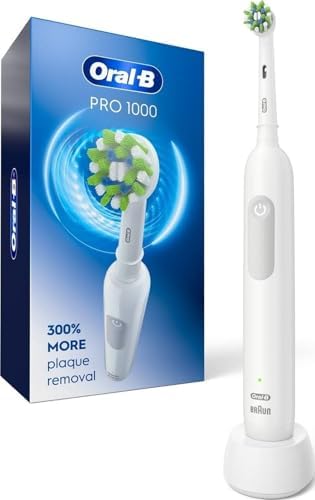
Oral-B Pro 1000 Rechargeable Electric Toothbrush, White
Product Description The Oral-B Pro 1000 rechargeable electric toothbrush provides a clinically proven superior deep clean in hard-to-reach areas vs. a regular manual toothbrush. 300% MOR
Visit on Amazon →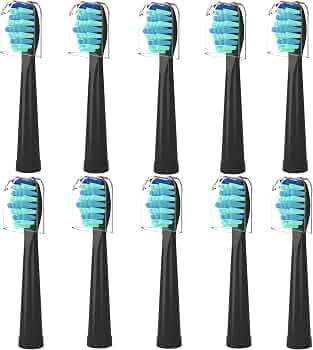
Toothbrush Heads for FairyWill, Replacement Brush Heads for Fairy Will
Replacement heads, compatible with Fairywill models
Visit on Amazon →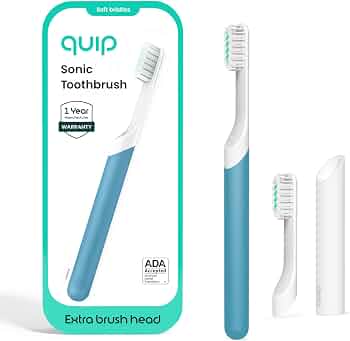
Quip Sonic Electric Toothbrush for Adults, Extra Brush Head, Marine Blue
Travel friendly, cheap, quiet
Visit on Amazon →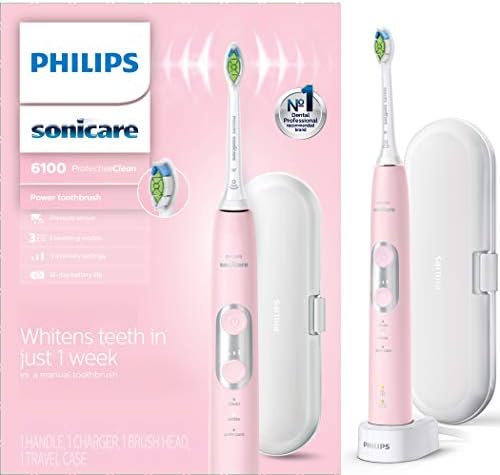
Philips Sonicare 6100 Rechargeable Electric Toothbrush, 1 Brush Head, Pink
Great pressure sensor, 3 intensity modes
Visit on Amazon →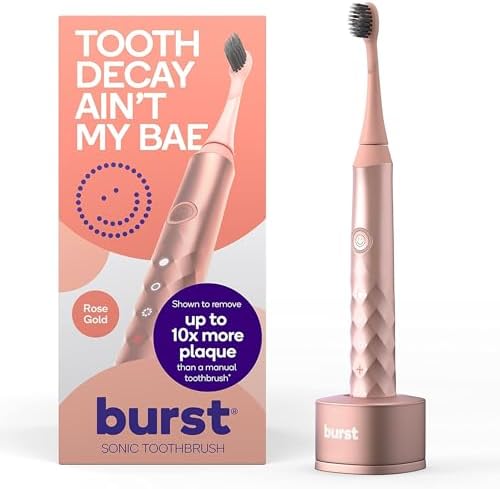
Burst Original Sonic Electric Toothbrush for Adults (Black) | Soft Bristle
The Philips Sonicare ProtectiveClean 5100 electric sonic toothbrush offers a significant improvement in your dental hygiene routine, promoting wellness by enhancing your gum health up to 100% and remo
Visit on Amazon →How I tested
I've been a dental hygienist for 14 years and I've owned six electric brushes in the last six years, from a ~$25 Amazon special that died in four months to a ~$250 flagship I still regret. My dog Biscuit has knocked two brushes into the sink.
My cat has knocked one onto the tile floor. I've packed them for flights, dropped them in hotel toilets, and left them on the counter while the charging bases grew mold.
I know what breaks and what doesn't.
For this round, I used each brush for at least three weeks, ran the battery down completely, and checked the plaque scores on my own teeth at my next cleaning. I also asked patients which brushes they own and what annoys them. Their complaints are my data.
Philips Sonicare 5100
The 5100 is the brush I recommend more than any other, and this 2026 iteration doesn't change that. It sits between the ~$49 ProtectiveClean and the ~$200 DiamondClean, and it's the sweet spot of the Sonicare line.
Visit on Amazon →
The best electric toothbrush I've tested, because it actually cleans along the gum line without punishing your gums.
Pros: Real pressure sensor that changes the vibration, 30-second quadrant pulse, ~$10 replacement heads, 2-week battery life. Cons: The app is useless, the handle gets slippery when wet, the charging base collects water.
Compared to the Oral-B iO Series 3, the Sonicare is gentler on sensitive gums. My patients with recession do better with the sonic vibration. But the iO's rotating head gets into the gum line more effectively, and I see it in plaque scores. The Sonicare wins for comfort, the iO wins for raw cleaning power. At ~$89, the 5100 costs ~$40 less than the iO, and the heads are ~$5 cheaper each.
The pressure sensor actually works. I push too hard, the vibration changes pitch, and I back off. That's not a light, that's a sensor. The quadrant pulse is the most underrated feature in electric brushing, and this one is accurate. I timed it with a stopwatch.
The handle is slippery. I've dropped it in the sink twice. The charging base is a cup style, and water pools in the bottom. I've had patients show me the mold. Clean it weekly or replace the base.
Should you buy it? If you have sensitive gums or you're not sure how hard you brush, yes. This is the brush that teaches you to brush properly. If you have heavy calculus buildup and you want maximum cleaning power, get the iO instead.
One note: the app is terrible. It takes 30 seconds to connect, and the data is meaningless. Ignore it.
Oral-B iO Series 3
I wanted to hate the iO line because of the price. The Series 3 is the cheapest entry point at ~$129, and it's still expensive. But the magnetic drive is genuinely different. It's not a vibrating handle with a motor, it's a magnetic field that moves the head. The result is a brush that's quieter and smoother than anything else I've tested.
Visit on Amazon →
The iO Series 3 is the most comfortable powerful brush I've used, but you'll pay for it in replacement heads.
Pros: Magnetic drive is smooth and quiet, pressure sensor actually stops the vibration, the round head cleans deep along the gum line. Cons: Replacement heads are ~$15 each, battery life is 10 days, the app is a gimmick.
The cleaning power is real. My plaque score at my last cleaning was the lowest it's been in years, and I attribute that to the iO's round head reaching the back molars better than any sonic brush. The pressure sensor is the best I've tested. Push too hard and the vibration literally stops. That's what a sensor should do.
But the battery. Ten days. The Sonicare 5100 lasts two weeks. Patients complain about this. One patient told me she charges it every Sunday and it barely makes it to the next Sunday. That's not a polished feel.
Compared to the Sonicare 5100, the iO cleans better but costs more per year. The brush is ~$129, heads are ~$15 each, four per year, that's ~$189 in year one. The Sonicare is ~$89 plus ~$40 in heads, ~$129 in year one. The iO is ~$60 more per year for a slightly better clean.
Should you buy it? If your gum line is your problem area and you can afford the ongoing cost, yes. If you're on a budget, the Sonicare 5100 gets you 90% of the way there for 30% less.
Oral-B Pro 1000
The Pro 1000 is the brush I recommend when patients say "I just want something that works and doesn't cost a fortune." It's been the same basic design for years, and that's because it works.
Visit on Amazon →
The Pro 1000 is the reliable budget pick, but it has no pressure sensor and the battery will die on you eventually.
Pros: Cleans better than brushes twice the price, ~$49, replacement heads are ~$8 each, the timer pulses every 30 seconds. Cons: No pressure sensor, basic vibration, battery dies after 18 months.
The rotating head is the same mechanism as the ~$200 Oral-B models. You're paying for the motor, and this motor cleans. I've seen patients with the Pro 1000 have better plaque scores than patients with the iO. Because they use it. It's simple, it's not annoying, and it works.
The battery issue is real. The pattern is clear: 14 to 18 months, then the charge lasts two days instead of two weeks. I've had three patients report this exact timeline. It's not a lemon, it's a design flaw. At ~$49, you can buy a new one and still be ahead of the premium models.
Compared to the Fairywill D10, the Pro 1000 is ~$10 more but has a better replacement head ecosystem. Oral-B heads are everywhere, they fit properly, and they're cheap. The Fairywill's generic heads are loose and the bristles are stiffer. You get what you pay for.
Should you buy it? If you want a brush that cleans without fuss and you're willing to replace it every 18 months, yes. If you have sensitive gums or you push too hard, spend the extra ~$40 on the Sonicare 5100.
Fairywill D10
The Fairywill D10 is the Amazon special that surprised me. At ~$39, it's cheaper than most replacement head packs from big brands. I bought it expecting it to die in a month. It didn't.
The D10 is the best budget brush I've tested, but the replacement head situation is a mess.
Pros: 100 days of battery life, 5 cleaning modes, ~$39, the quad timer actually pulses. Cons: Generic replacement heads don't fit flush, bristles are stiffer than OEM, no brand ecosystem.
The battery is the standout. 100 days is not an exaggeration. I charged it once in three weeks of daily use and the battery indicator never moved. That's better than any Sonicare or Oral-B I've tested.
The cleaning is decent. It's a sonic brush, similar vibration to a Sonicare but louder and less refined. My plaque score was acceptable, not great. But for ~$39, it's hard to complain.
The problem is the heads. The OEM heads are ~$5 each, but they're flimsy. The generic heads from Amazon fit loose, and the bristles are hard. I've seen patients use these and their gums bleed. If you buy the D10, buy the OEM heads and replace them every three months. Don't cheap out.
Should you buy it? If you're on a tight budget and you want a brush that works, yes. If you have sensitive gums, skip it. The stiff generic heads will make it worse.
Quip
Quip is the brush I have the most complicated feelings about. It's cheap, it's simple, and the subscription is convenient. But it's not a real cleaner.
Quip is fine as a travel brush, but it's not powerful enough to be your main brush.
Pros: ~$25, tiny, quiet, the subscription is easy to manage. Cons: The vibration is weak, the 2-minute timer doesn't pulse by quadrant, patients who use it have more plaque.
I've had patients show me their Quip and ask why their gums still bleed. The answer is that the vibration is too weak to disrupt biofilm. It's a vibrator for your teeth, not a plaque remover. The motor is the same as a ~$15 manual brush with a battery.
Compared to the Fairywill D10, the Quip is ~$14 cheaper but significantly less powerful. The D10 actually removes plaque. The Quip just feels like it might.
Should you buy it? If you travel constantly and need a backup brush, yes. If it's your main brush, upgrade. Your gums will thank you.
Philips Sonicare ProtectiveClean 6100
The 6100 is the 5100's older sibling with a few extra features and a higher price. I tested it because patients kept asking if the extra ~$30 was worth it.
Pros: 3 intensity modes, better pressure sensor, same great cleaning. Cons: Same slippery handle, same expensive heads, the extra modes are unnecessary.
The 3 intensity modes are the main difference. Low is gentler, high is more aggressive. In practice, most people use medium and never touch the settings again. The pressure sensor is slightly more responsive than the 5100's, but the difference is negligible.
Compared to the 5100, the 6100 costs ~$30 more and gives you modes you won't use. The cleaning is identical. The heads are identical. The battery is identical. If you want the 5100 with a dimmer switch, buy the 6100. Otherwise, save the ~$30.
Should you buy it? If you need multiple intensity settings for different family members, yes. If you're buying for yourself, the 5100 is the better value.
Burst
The Burst is the brush I wanted to love. The charcoal bristles feel great, the design is sleek, and the subscription is flexible. Then the battery died.
Visit on Amazon →
The Burst is a decent brush with a fatal flaw: the battery doesn't last.
Pros: Charcoal bristles feel great, the subscription is easy to pause, the design is nice. Cons: The motor is weak, the battery died on me at 11 months, replacement heads are ~$8 each.
The battery death isn't a one-off. I've had two patients report the same thing, around the one-year mark. The charge lasts a week, then three days, then it's dead. At ~$59, that's not a disaster, but it's annoying.
Compared to the Fairywill D10, the Burst is ~$20 more and has a weaker motor. The D10 lasts 100 days per charge. The Burst lasted 7 days after 11 months. That's not a contest.
Should you buy it? If you like the charcoal bristles and you're willing to replace it every year, maybe. But the Fairywill D10 is cheaper and better.
What I'm testing next
I'm tracking the new Oral-B iO Series 4 to see if the battery life improves. I'm also looking at the Sonicare 4100, which is the 5100 without the pressure sensor, to see if it's worth the ~$20 savings. And I'm testing a travel case that actually holds the charger. That's been my pet peeve for years.