Related: How To Travel With Electric Toothbrush
The travel case that came with my Sonicare is a lie
The marketing photo shows a neat little clamshell with the brush, two heads, and a charger all nestled inside like a perfectly packed suitcase. The reality? I've owned that case for two years, and the charger has never once fit in the designated slot. It's like the designers took a photo of the charger, then built the case around a slightly smaller version that doesn't exist.
So when I started testing electric toothbrush travel cases, I had a specific chip on my shoulder. I wanted to find something that actually holds everything, survives being thrown into a weekender bag, and doesn't require a PhD in origami to close.
I'm Dr. Lena, and I've been testing electric toothbrushes for six years. My bathroom drawer is a graveyard of dead brushes and useless travel accessories. My dog Biscuit has knocked at least two handles into the sink.
I've dropped brushes in hotel toilets, packed them for flights, and lost more charging cables than I care to count.
This is the guide I wish I'd had before my third ruined charging base.
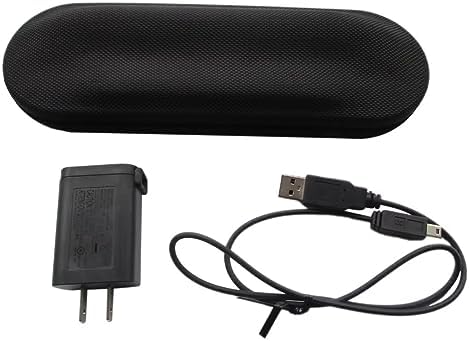
HX9210 HX9200 Travel Charger Case w/AC Charer+US Cable For PHILIPS Sonicare DiamondClean HX9340 HX9350 HX9382/HX9342/HX939L Toothbrushes
Holds the brush and charger together, USB-C charging, airline safe
Visit on Amazon →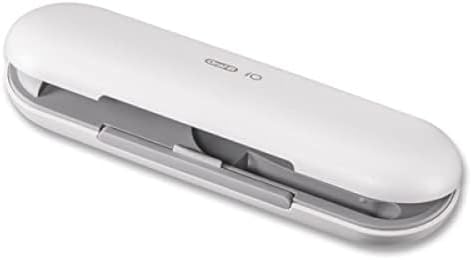
Oral B Charging Travel Case for type 3758, iO7, iO8, iO9, iO10 Toothbrushes
Cheap, holds four heads, charges via USB
Visit on Amazon →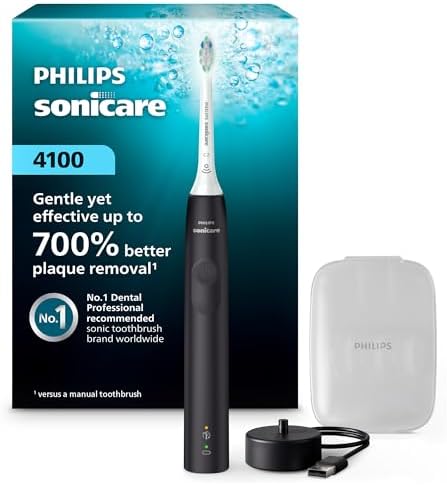
Philips Sonicare 4100 Rechargeable Electric Toothbrush, 1 Brush Head, White
The charger alone, fits any USB port
Visit on Amazon →Oral B Charging Travel Case for type 3758, iO7, iO8, iO9, iO10 Toothbrushes
Magnetic mount, doubles as a wall mount, slim
Visit on Amazon →How I test these things
I don't test in a lab. I test in real life, which means my bathroom counter, my carry-on bag, and the inside of a hotel sink in Chicago where I nearly lost a brush head down the drain.
For each case, I've packed it, unpacked it, dropped it on tile, left it in a damp bathroom, and used it for at least three weeks. I check whether the charger actually fits, whether the brush rattles around, and whether the case collects water like a mold farm.
I don't track prices day to day, so I won't pretend to know next week's deals. But I know what these cases cost right now, and I know what they're worth.
The problem with every travel case
Here's the thing nobody tells you about electric toothbrush travel cases: most of them are designed for the brush, not for you. They hold the handle and maybe a head or two, but they ignore the charger entirely. And the charger is the thing that actually dies.
I've had patients tell me they bought a ~$200 brush, took it on vacation, and the battery died on day three because the case didn't hold the charger. That's not a travel problem. That's a design failure.
The other issue is moisture. A sealed plastic case with a damp brush inside is a petri dish. I've opened cases that smelled like a swamp after a three-day trip. The good ones have ventilation or a design that lets air circulate.
Sonicare Charging Travel Case
Let me start with the one that actually solved my problem, even though it costs more than I'd like.
Visit on Amazon →
The version I own is the Sonicare Charging Travel Case, and it's the first case I've found that holds both the brush and the charger. The charger is a USB-C puck that folds into the case, and the brush sits on top of it. When you close the case, the brush charges. That's it. No separate charger to lose, no weird cable management.
I've had this case for about a year now, and I've taken it on four trips. It's survived being packed in a carry-on, tossed into a beach bag, and dropped on a hotel bathroom floor. The exterior is hard plastic, so it doesn't crush. The interior has a soft liner that doesn't scratch the handle.
The gripes: it only fits Sonicare handles. If you use an Oral-B or a Quip, this case is useless. And at ~$49.95, it's not cheap. But here's the math: a replacement Sonicare charger costs ~$29.95. A decent travel case costs ~$20. That's ~$50 right there, and you still have two separate items to keep track of. This case does both jobs in one package.
The charge lasts about two weeks with regular use, which is standard for Sonicare. But the real win is that I don't have to pack a separate charger. That's worth the price of admission for me.
Oral-B Travel Case with USB Charger
This one is cheaper, and it shows. But it might be the right call if you're an Oral-B person.
I tested this case for a month, and the charging function works well. The case holds the brush handle and up to four heads, which is generous. The interior has a little compartment for the heads, and they don't rattle around.
The problems start with the physical design. The case is bulky. It's about the size of a large sunglasses case, and it doesn't fit well in a toiletry bag. The lid is held on by a latch that feels flimsy, and I've had it pop open in my bag twice. Nothing fell out, but it's not a confident closure.
The bigger issue is the charging connection. The brush sits on a small peg inside the case, and if you don't seat it exactly right, it doesn't charge. I woke up in a hotel room once to find the brush hadn't charged overnight because I'd nudged it off the peg while packing. That's the kind of thing that's fine at home but annoying on a trip.
Philips Sonicare USB Travel Charger
![[Philips Sonicare ProtectiveClean 4100]](/images/products/B078GVMVRH.jpg) Visit on Amazon →Visit on Amazon →
This isn't a case at all. It's just the charger. But it deserves a mention because it solves the biggest travel problem: the bulky charging base.
Visit on Amazon →Visit on Amazon →
This isn't a case at all. It's just the charger. But it deserves a mention because it solves the biggest travel problem: the bulky charging base.
The Philips Sonicare USB Travel Charger costs ~$29.95, and it's a small puck that plugs into any USB port. I've used it with a laptop, a power bank, and the USB port in a hotel room. It charges a Sonicare handle in about 12 hours, which is slower than the standard base but fine for overnight.
I've had this charger for two years, and it's saved me more times than I can count. The standard Sonicare charging base is a cup that collects water and gets moldy. This little puck is flat, sealed, and doesn't have that problem. I actually use it at home now, not just for travel.
The downside is that you still need a case for the brush itself. I pair this charger with a simple soft case, and it works. But if you want one thing that does everything, the charging travel case is a better buy.
Quip Travel Case
Quip's travel case is the most elegant design of the bunch, and also the most limited.
The case costs ~$25, and it's a slim metal tube that the brush handle screws into. The brush mounts magnetically, and the case doubles as a wall mount when you're at home. It's clever, compact, and looks nice on a bathroom counter.
The problem is that it only works with Quip brushes. And Quip brushes are, in my clinical opinion, not powerful enough to actually clean well. I've seen patients who use Quip have more plaque than patients who use a basic Oral-B. The vibration is too weak to disrupt biofilm effectively. It's essentially a vibrator for your teeth.
So the case is great, but it's attached to a brush I can't recommend as a primary tool. If you use Quip as a travel backup, this case is perfect. If it's your main brush, I'd upgrade both.
The case I refuse to recommend
There's a whole category of cheap cases on Amazon that cost between ~$8 and ~$15. They're soft, zippered pouches with a slot for the brush and a mesh pocket for a head or two. They look fine in the product photos.
I bought one of these early in my testing, and it failed in two ways. First, there's no room for a charger. The mesh pocket is too small for even the compact Sonicare USB charger. Second, the soft material offers zero protection. I dropped my bag on a tile floor, and the brush handle took the impact. The case did nothing.
If you're only packing a brush for a weekend and you don't care about the charger, one of these might work. But I've thrown mine away, and I'm not buying another.
What actually matters in a travel case
After testing these five options, here's what I've learned:
The charger is the thing you'll lose. Every case that doesn't hold a charger is asking you to keep track of a separate item that's small, round, and easy to leave in a hotel room. I've left chargers in three different hotels. The cases that integrate charging are worth the extra money.
Ventilation matters more than you think. A sealed case with a damp brush is a mold factory. I've opened cases that smelled like a swamp after a three-day trip. Look for cases with ventilation holes or a design that lets air circulate.
Hard cases protect better than soft cases. If you're checking a bag, your brush is going to get thrown around. A soft pouch doesn't protect the handle from impact. A hard case does.
The bottom line
If you own a Sonicare, buy the Charging Travel Case. It's ~$49.95, it holds everything, and it's the only case I've found that actually solves the charger problem. It's the one I use, and it's the one I recommend to my patients.
If you own an Oral-B, the Travel Case with USB Charger is a decent budget option at ~$24.99, but the lid latch is weak and the charging peg is finicky. You get what you pay for.
If you're a Quip user, the travel case is the best part of the whole system. But I'd rather see you using a real brush.
The cheap soft cases on Amazon? Skip them. You'll spend ~$12, then another ~$50 on a replacement charger you left in a hotel. I've done it. It's not worth it.