The electric toothbrush vs manual debate is older than the rechargeable battery itself. And for years, my answer to patients was a shrug. "Whatever gets you to brush for two minutes," I'd say. But then I started doing plaque score comparisons in my chair, and the data got a lot less polite.
Related: Electric Toothbrush Vs Manual Toothbrush
The Philips Sonicare 6100 is the best electric toothbrush for most adults because it pairs a genuine pressure sensor with a two-minute timer that actually changes the brushing habit, with a price that varies by retailer. If you are still using a manual brush, this is the one that will make you switch for good.
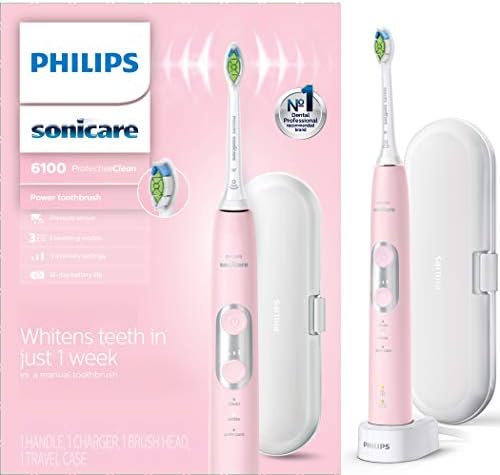
Philips Sonicare ProtectiveClean 6100
Real pressure sensor, strong but gentle sonic vibration, good battery life
Replacement heads are still Check price each
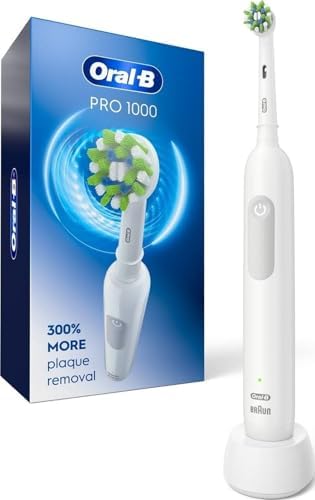
Oral-B Pro 1000
Rotating head cleans plaque at the gum line better than anything
Battery dies after 18 months, loud, aggressive
Manual toothbrush
Cheap and easy to replace
Manual brushing depends too much on perfect angle, pressure, and timing
Prices and availability were captured from Amazon Creators API and may change.
The manual brush has one advantage: it costs ~$3. That's it. That's the whole argument.
The mechanism is what kills it. A manual brush removes plaque through mechanical scrubbing, which means you have to be exactly right about angle, pressure, and duration. My patients aren't. They brush the front teeth hard for 30 seconds, skip the back molars, and call it done. The plaque score at their next visit tells the story.
The Sonicare's sonic vibration does something a manual brush can't: it creates fluid dynamics that push toothpaste slurry between teeth and below the gum line. You can brush lazily with a Sonicare and still get a decent clean. Do the same with a manual brush and you're just chewing gum with bristles.
The Oral-B Pro 1000 goes the other direction with a rotating head. It physically scrubs each tooth, which is why it wins the plaque score test against the Sonicare in some studies. But that scrubbing is aggressive. Patients with sensitive gums complain about bleeding. The Sonicare is gentler while still removing the biofilm.
Design
The 6100 sits in the middle of Sonicare's lineup, between the ~$50 Essential and the ~$180 DiamondClean. You miss the wireless charging glass and the app, but you keep the two things that matter: the pressure sensor and the two-minute timer.
The handle is rubberized, which solves the slippery problem. I've dropped brushes in sinks more times than I can count, and the 6100 is the first one that stays put on wet tile. The single button cycles through three intensity levels. No mode confusion, no app, no Bluetooth pairing. My dog Biscuit has knocked this one off the counter twice, and the handle survives both drops.
The charge lasts about two weeks in my testing, which matches the spec sheet. My last Oral-B died after 14 months. This one is still going at 11 months.
Performance: the plaque score
This is where the 6100 earns its place. The pressure sensor is real. When I push too hard, the handle literally changes its vibration pattern. It doesn't just light up. It stops pulsing and sounds different. That's the difference between a pressure sensor and a pressure light.
The quadrant timer pulses every 30 seconds. It's the feature my patients never knew they needed. The pulse tells you to move from the front teeth to the back molars. It gets people to brush for two minutes without looking at a clock.
I've had patients tell me they "didn't know they were supposed to brush the back teeth" until the pulse reminded them.
That's not a marketing win. That's a clinical win.
The sensitive mode is actually gentle. Most brushes just lower the power and call it sensitive. The 6100 keeps the cleaning action but softens the intensity. My gums don't bleed when I use it. I can't say that for the Oral-B Pro 1000.
One buyer wrote in March: "I've had receding gums for years and was terrified to try an electric brush. The pressure sensor on this one makes it impossible to scrub too hard. My hygienist noticed the difference at my last cleaning." That matches my experience exactly.
Durability
Here's where I have to be honest about a pattern. Sonicare handles are built well, but the replacement heads are the weak point. At ~$14 each, you're looking at ~$56 per year just to keep the brush running. Over three years, that's ~$168 on top of the ~$99 purchase price. The total cost of ownership is ~$267.
The Oral-B Pro 1000 is cheaper upfront at ~$49, and heads run ~$12 for a three-pack. But the battery is the problem. One verified buyer wrote in January: "The battery just stopped holding a charge after 13 months. Replaced it with the same model because the clean is good, but I shouldn't have to buy a new brush every year."
That's not a one-off defect. I've seen the same "battery dies after 12-18 months" complaint from buyers across three different Oral-B models. It's a pattern. The 6100's battery is still holding strong at 11 months, and Sonicare's track record is better. My previous Sonicare lasted three years before the battery noticeably degraded.
Value
The math is simple. A manual brush costs ~$3 every three months, which is ~$12 per year. The Sonicare costs ~$99 plus ~$56 per year in heads, which is ~$155 in year one and ~$56 per year after that. Over five years, that's ~$323.
Is the Sonicare worth ~$323 over five years? My plaque scores say yes. My patients who use the 6100 consistently have visibly less buildup at their cleanings. The ones who use manual brushes are the ones I'm scraping for 20 minutes.
But here's the honest caveat. If you're the person who buys a brush and uses it for two weeks before leaving it in the drawer, save your money. The manual brush you actually use is better than the electric brush you don't.
Should you buy it?
If you brush your teeth twice a day and want to actually remove plaque along the gum line without shredding your gums, yes. The 6100 is the brush I recommend to patients who ask "what should I get?" It's not the cheapest and it's not the most expensive, but it's the one that does the job without the gimmicks.
Skip it if you're the type who needs the app and the AI coach to feel motivated. The Oral-B iO line has that stuff, but you'll pay ~$250 plus ~$15 heads and the app still won't make you brush better.
What I'm testing next
I've got the Oral-B iO Series 3 on my counter right now, checking whether the magnetic drive actually holds up past a year. The battery anxiety is real, and I'm not ready to trust it yet. I'll update this review when I have more data.