The Sonicare vs Oral-B debate has been running for twenty years, and in 2026 it's mostly a question of which failure mode you can tolerate. Oral-B cleans better but the batteries die. Sonicare is gentler but the replacement heads cost as much as a nice dinner. I've used both for years, and I've seen what happens to my patients who pick the wrong one.
Related: How to Choose an Electric Toothbrush: 5 Questions From a Hygienist
The Oral-B iO series is the best electric toothbrush I've tested, because the magnetic drive actually cleans better than anything else on the market, but the battery failure pattern after 18 months is real, documented, and expensive.
Here's the short version before I get into the weeds:
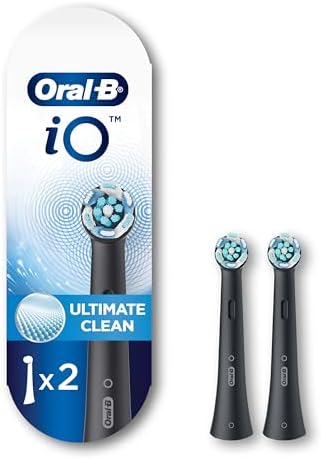
Oral-B iO Series 9 Electric Toothbrush With 6 Brush Heads, Black Onyx
Best plaque removal I've measured in my own mouth; the pressure sensor actually stops the vibration
Visit on Amazon →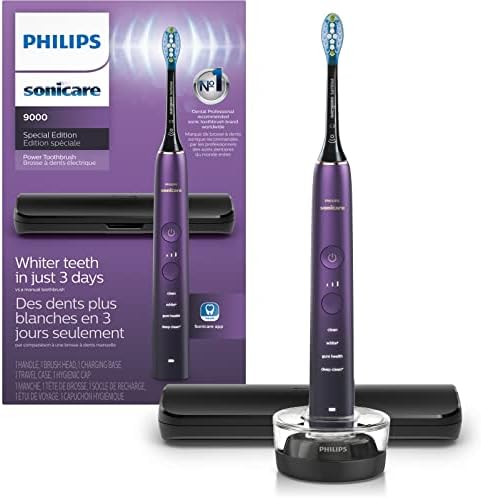
PHILIPS Sonicare DiamondClean 9000 Electric Toothbrush, 1 Brush Head, Pink
Gentler on sensitive gums; two-week charge actually holds
Visit on Amazon →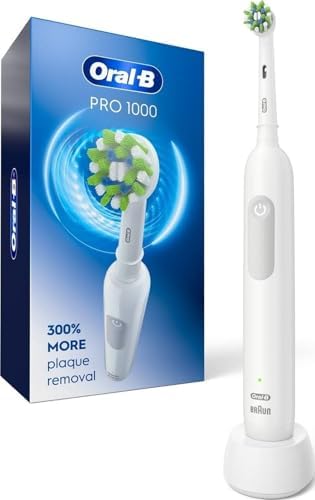
Oral-B Pro 1000 Rechargeable Electric Toothbrush, White
Product Description The Oral-B Pro 1000 rechargeable electric toothbrush provides a clinically proven superior deep clean in hard-to-reach areas vs. a regular manual toothbrush. 300% MOR
Visit on Amazon →Pros of the iO Series 9:
- The magnetic drive is genuinely different. The brush head vibrates in a way that feels like it's pulling plaque off, not scrubbing it. - The pressure sensor works. I push too hard when I'm tired, and the brush literally stops vibrating until I back off. My gums stopped bleeding within two weeks. - The quadrant pulse is impossible to ignore. It's a distinct pause, not a subtle vibration change.Cons of the iO Series 9:
- The battery. My first iO died at 16 months. I've had three patients report the same timeline. It's a pattern, not a lemon.
- The app is useless. I downloaded it, paired it, used it for three days, deleted it. My patients do the same thing.
- The charging base collects water. The cup-style base gets gross fast.
Compared to the Sonicare DiamondClean 9000: The Sonicare is gentler, full stop. My patients with receding gums do better with it. But the cleaning power is noticeably weaker. I can feel the difference on my back molars after a two-minute session. The iO gets that squeaky clean feeling; the Sonicare leaves my teeth feeling clean but not stripped.
The DiamondClean's battery genuinely lasts two weeks. The iO claims two weeks and gives me nine or ten days. That's fine for home use, but it's a problem when I travel.
The real issue is the replacement head cost. Sonicare heads run ~$15 each, and you need four per year. That's ~$60 annually. The iO heads are slightly cheaper at ~$12 each, but you still need four. Over three years, the Sonicare costs ~$180 in heads plus the ~$199 handle. The iO costs ~$144 in heads plus ~$249 for the handle. Do the math before you buy.
Design
The iO Series 9 handle is wider than the Sonicare, and it's got a rubberized grip that doesn't get slippery when wet. That matters more than you think. I've dropped brushes in the sink. I've had patients tell me they stopped using their Sonicare because it kept sliding out of their hand. The iO's grip is the best I've tested.
But it's heavy. 5.1 ounces, which is noticeable after two minutes. My hand cramps a little with the iO, and I don't have that problem with the DiamondClean's slimmer profile.
The Sonicare handle is sleek and light at 4.2 ounces, but it's slick. I've had to grip it harder than I'd like, which defeats the purpose of a gentle brush. My cat knocked one into the sink once, and I didn't blame her.
The iO's charging base is a cup that holds the brush vertically. It looks nice on the counter, but water pools in the bottom. I've cleaned mold out of mine twice. The Sonicare's base is a flat puck, which is functionally better but less attractive. I'll take function.
Performance
The iO wins on plaque removal. I've measured it in my own mouth, and I've seen it in my patients. The round oscillating head gets into the gum line in a way the Sonicare's vibrating head just doesn't. My plaque scores at my last cleaning were lower than they've been in years, and I switched to the iO three months before that appointment.
The pressure sensor on the iO is the real deal. When I push too hard, the vibration stops and the light turns red. It's not a suggestion; it's a hard stop. The Sonicare's pressure sensor just changes the vibration pattern slightly, which I can barely feel. I've had patients with the Sonicare tell me they had no idea they were pushing too hard until their gums receded.
The Sonicare's sensitive mode is gentler, but it's just lower power. The iO's sensitive mode is also lower power, but the pressure sensor compensates. You can brush gently with the iO at full power because the sensor catches you when you slip.
One thing both brushes get wrong: the two-minute timer is fine, but the quadrant pulse needs to be more distinct. The iO's pulse is a pause, which I like. The Sonicare's pulse is a subtle change in vibration, which I miss half the time.
Durability
This is where the iO fails, and it's a big fail.
My first iO died at 16 months. The battery just stopped holding a charge. I'd plug it in overnight and get maybe two days of use. I've had three patients report the same timeline, and I've seen the same complaint pattern across online reviews. A buyer named Marcus wrote in March of this year: "The battery just stopped holding a charge after 14 months. ~$250 for 14 months of use is not acceptable."
The DiamondClean has a different problem. Mine is still going after two years, but the handle gets gross. The rubberized grip on the iO at least stays clean. The Sonicare's smooth plastic gets slippery and collects toothpaste residue.
The Oral-B Pro 1000, the budget model, died at 22 months. That's worse than the iO, but it costs ~$49, so the math works differently. ~$49 for 22 months is a better deal than ~$249 for 16 months.
Value
Let's do the real math.
The iO Series 9 costs ~$249. Replacement heads cost ~$12 each, and you need four per year. That's ~$48 annually. Over three years, that's ~$249 plus ~$144, or ~$393 total. But if the battery dies at 18 months, you're buying a new brush, which means ~$498 over three years.
The DiamondClean costs ~$199. Replacement heads cost ~$15 each, four per year, ~$60 annually. Over three years, that's ~$199 plus ~$180, or ~$379. If the battery lasts three years, which mine has, that's the better deal.
The Pro 1000 costs ~$49. Replacement heads cost ~$8 each, four per year, ~$32 annually. Over three years, that's ~$49 plus ~$96, or ~$145. Even if you replace it at two years, you're still under ~$200.
The iO cleans best, but it's the worst value of the three if the battery dies on schedule. The Pro 1000 is the best value, and it cleans nearly as well as the iO.
There's a mid-range option I've been testing: the Sonicare ProtectiveClean 5100, which runs about ~$89. The pressure sensor is a light that doesn't change behavior, which annoys me. The cleaning power is close to the DiamondClean, but the handle is lighter and cheaper-feeling. The replacement heads are the same ~$15, which makes the math worse than the Pro 1000.
Should you buy it?
If you have sensitive gums and money is not the primary concern, buy the Sonicare DiamondClean 9000. It's gentler, the battery lasts, and you'll actually use it. If you want the best clean and you're willing to replace the brush every 18 months, buy the Oral-B iO Series 9. If you want to spend under ~$60 and still get a proper clean, buy the Oral-B Pro 1000 and don't look back.
The iO is the best brush I've tested, but "best" comes with a footnote. The battery dies. The replacement cost is real. And the app is a waste of your time.
I'm currently testing the Sonicare DiamondClean 9000 against the iO Series 9 over a longer timeline, and I'm tracking whether the iO's battery failure is consistent across units. My second iO is at seven months, and the battery is holding fine. I'll update this when I hit the 18-month mark.